


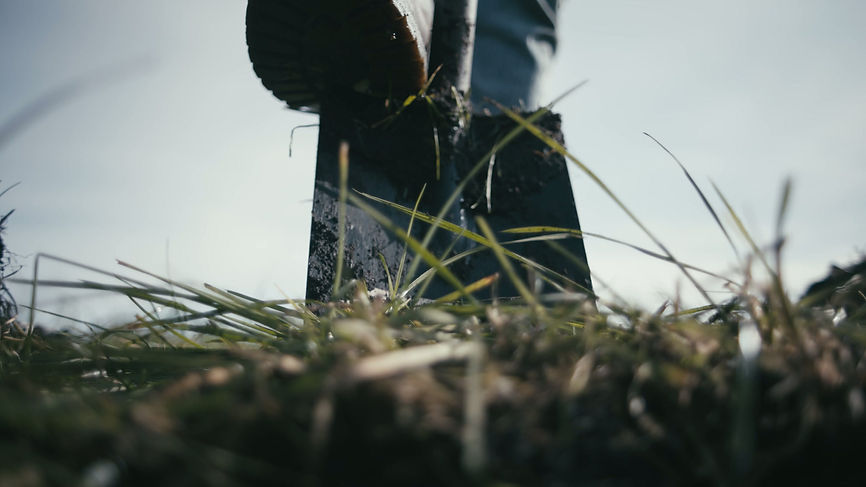
Conserving Peatlands for the Climate
Climate Projects
in
Germany
One of the few certified
Peatlands are among the Earth’s most important natural carbon sinks. Yet in Germany, over 95% of peatland areas have been drained—with serious consequences for the climate. Instead of storing CO₂, drained peatlands release large amounts of greenhouse gases.
The rewetting of these areas is one of the most effective nature-based climate protection measures in Germany.

The Project at a Glance
Project Location
Langenhausen, Lower Saxony
Project Standard

Emissions Reductions
55,000 t CO2 e
over the 50-year crediting period
Carbon Credits
Ex-Ante

Exclusive Project with ZukunftMoor
Together with our partner ZukunftMoor, we are developing innovative peatland rewetting projects in Lower Saxony.
The Goal:
-
to restore degraded peatlands in the long term,
-
to permanently halt greenhouse gas emissions,
-
to create new habitats,
-
and to establish economic opportunities for agriculture on wet peatlands.
Secure your exclusive opportunity now through First Climate to purchase verified carbon credits from Germany!
Biodiversity
Restoring peatland biodiversity

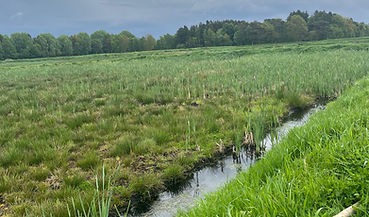
Water Retention
Improving natural water retention
.jpg)
Agriculture
Promoting sustainable peatland agriculture with sphagnum moss (paludiculture)
.jpg)

How it works
Drained peatlands are restored through rewetting
Drainage systems are closed and water reservoirs are created
Water level is maintained at ground level on a permanent basis
Sphagnum moss is cultivated to accelerate natural processes
Carbon emissions are avoided in the long term

Paludiculture: a model for the future of sustainable agriculture.
The project goes beyond traditional restoration. Sphagnum moss, a plant typical of peatlands that stores water and supports natural peat formation, is cultivated on the rewetted areas.
Sphagnum moss can also be used as a sustainable substitute for peat in potting soils and substrates. This creates an additional climate benefit: reduced peat extraction helps ensure that fewer peatland areas are destroyed.
At the same time, paludiculture creates new economic opportunities for farms in peatland regions and demonstrates how climate action and land use can work together.
Move the bar to discover how the drained peatlands have changed: Left is the land before project start, right is the sustainable transformation from the project.
Make a Regional Impact
Lower Saxony is the leading region for peatlands with approximately 484,000 hectares of drained peatlands. These peatlands emit approximately 16 million metric tons of CO2e annually, making them one of the largest sources of emissions in the state.
The Zukunftmoor project is located in Lower Saxony. Companies can support high-quality climate action right at home.
Why Companies are Acting Now
Demand for high-quality, nature-based carbon credits is on the rise, particularly for regional projects with measurable impacts and high credibility. However, the availability of certified peatland projects in Germany is limited. Companies now have the opportunity to secure early access to an innovative project with long-term prospects.
Dr. Susanne Peindl
Managing Director First Climate Markets
”
”
Certified climate projects remain a rarity in Germany. This project impressively demonstrates how effective peatland and climate action can be implemented on the ground.
a.jpg)
Support a climate project right at your doorstep.
Pick the option that works best for you:
Buy Directly Online
Get your offer on my.FirstClimate
✔
✔
✔
Quick and seamless
For purchases up to max. 1.000 carbon credits
Carbon footprint calculations on request
Don't have a my.FirstClimate account?

%20Kristina%20Steiner%20-%20Moorbilder%20Pilotfl%C3%A4che%20(3)%20(1).jpg)